
Building Confidence in Shy or Nervous Dogs
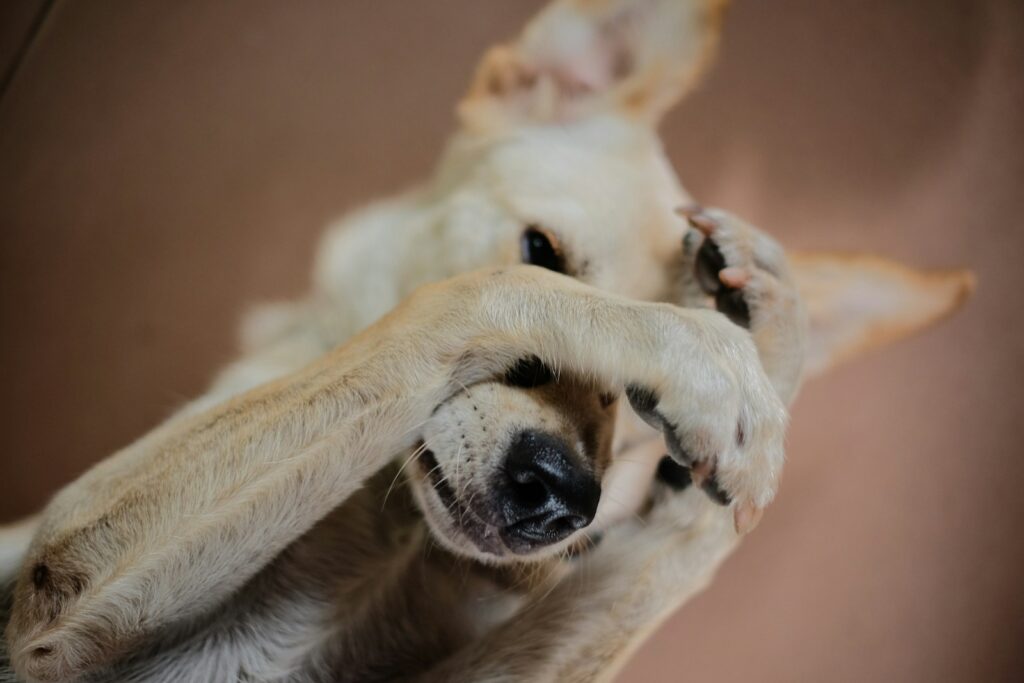
Not all dogs burst into a room tail-wagging and ready to meet the world. Some hang back. Some freeze. Some tremble, avoid eye contact, or retreat when life feels overwhelming.
If you have a shy or nervous dog, you’re not alone—and your dog isn’t broken.
At Off Leash K9 Training Missoula, we work with fearful and insecure dogs across Missoula and the Bitterroot Valley every year. The good news? Confidence can be built. With the right structure, patience, and training approach, shy dogs can become calm, capable, and resilient.
Why Some Dogs Lack Confidence
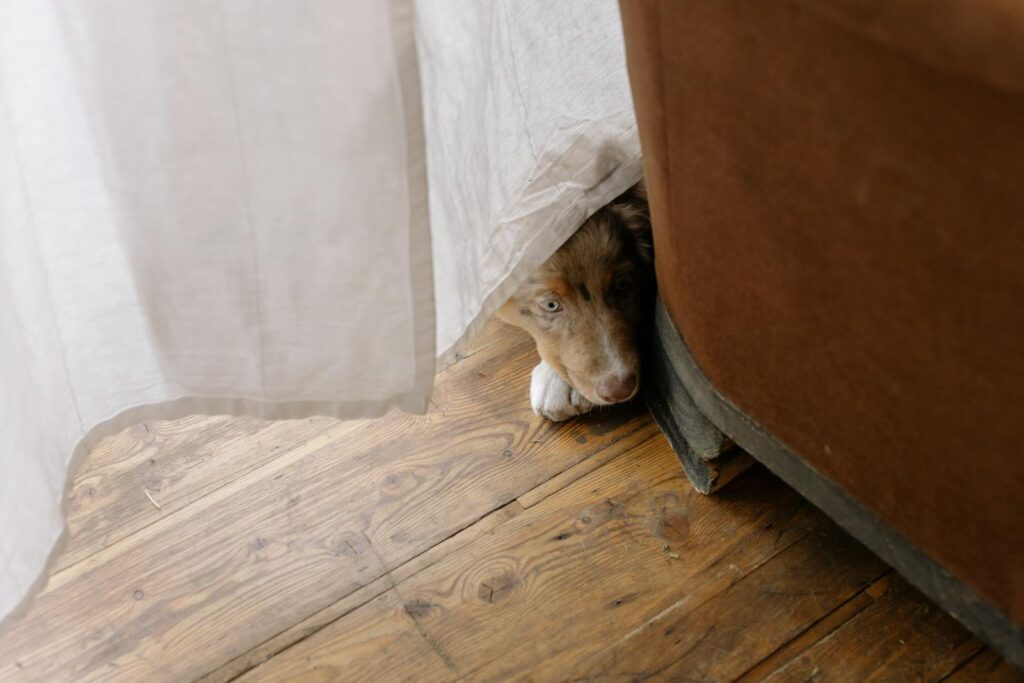
Shyness and nervousness can come from many places, including:
-
Lack of early socialization
-
Genetic temperament
-
Past negative experiences
-
Being overwhelmed too quickly
-
Inconsistent leadership or unclear boundaries
Fearful dogs aren’t “stubborn” or “dramatic.” They’re responding to the world the only way they know how.
What Shy Behavior Often Looks Like
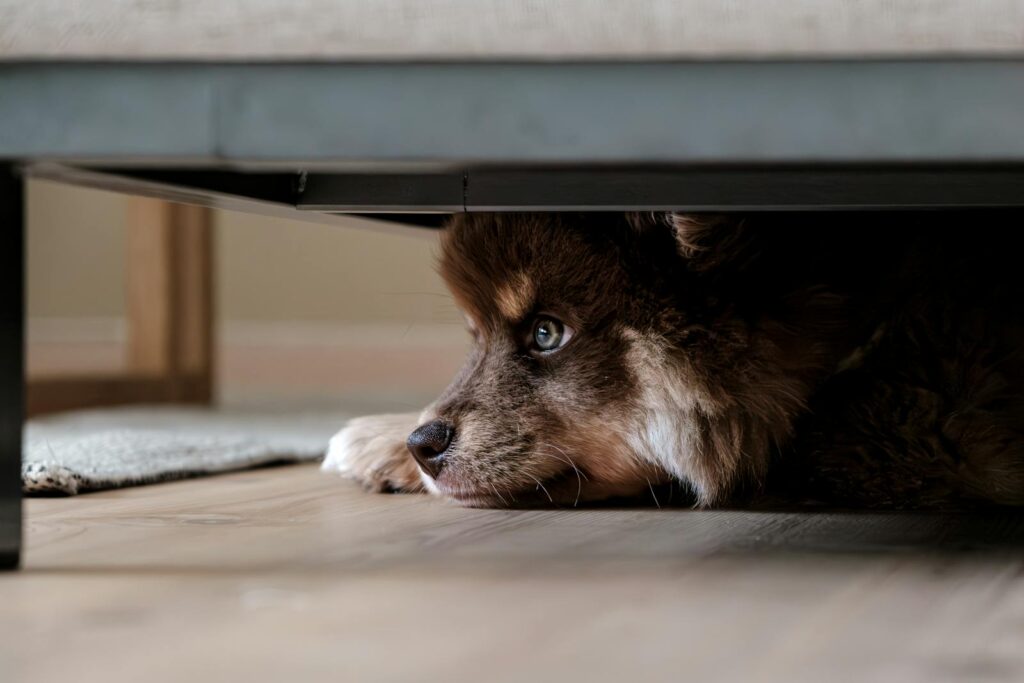
Nervous dogs may:
-
Avoid people or other dogs
-
Refuse to walk or shut down on leash
-
Startle easily at noises or movement
-
Hide behind their owner
-
Tremble, crouch, or tuck their tail
-
Freeze instead of reacting
Some dogs internalize stress quietly—others eventually explode when pressure builds too high. Both need confidence, not force.
The Key to Confidence: Structure, Not Comforting
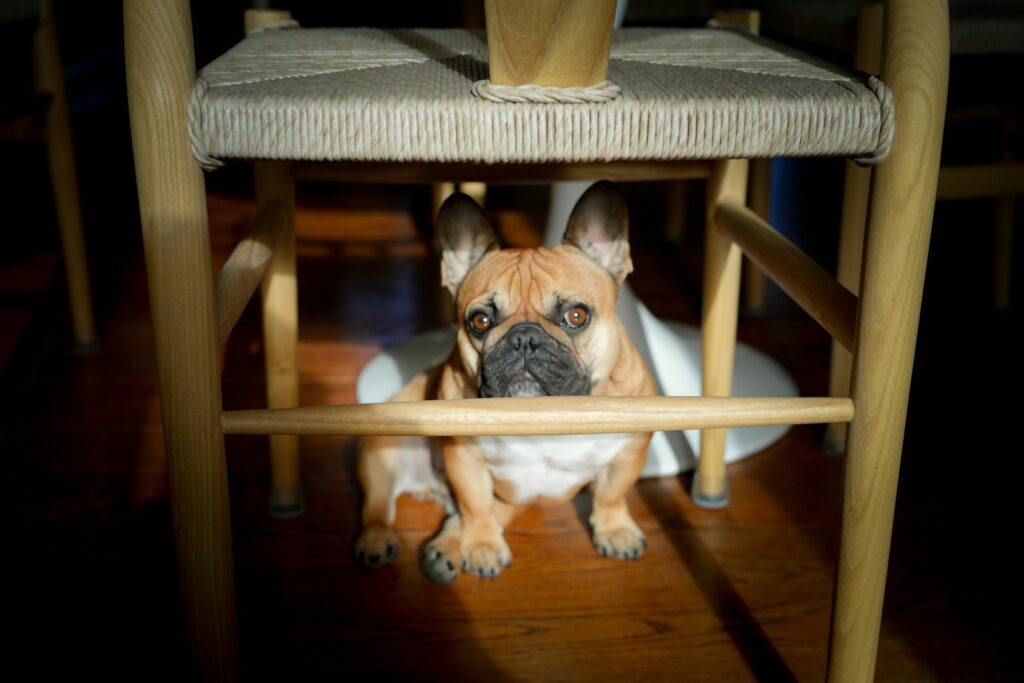
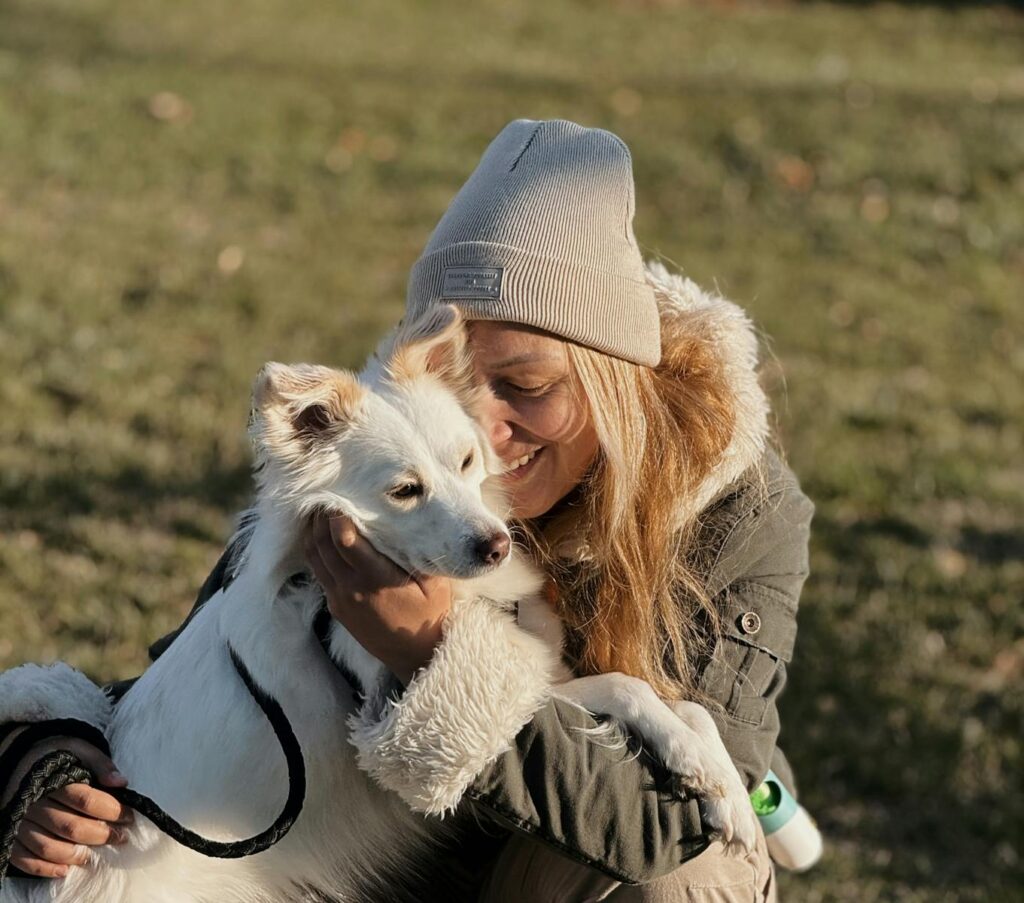
One of the biggest mistakes owners make is unintentionally reinforcing fear by comforting nervous behavior.
Instead of saying “It’s okay” while petting a trembling dog, confidence is built through:
-
Clear leadership
-
Predictable routines
-
Calm direction
-
Gradual exposure
-
Achievable wins
Dogs gain confidence by successfully completing tasks, not by being rescued from discomfort.
Step-by-Step Ways to Build Confidence
1. Teach Obedience as a Job
Commands like sit, place, and heel give nervous dogs something to focus on instead of their fear.
Clear tasks create clarity—and clarity reduces anxiety.
2. Start Small and Build Slowly
Flooding a shy dog with overwhelming environments can backfire.
Confidence grows when:
-
Exposure is controlled
-
Distance is respected
-
Distractions increase gradually
-
The dog stays under threshold
Progress doesn’t come from speed—it comes from consistency.
3. Create Predictable Routines
Routine is grounding for nervous dogs.
Consistent:
-
Walk times
-
Feeding schedules
-
Training sessions
-
Rest periods
help dogs feel safe and reduce uncertainty.
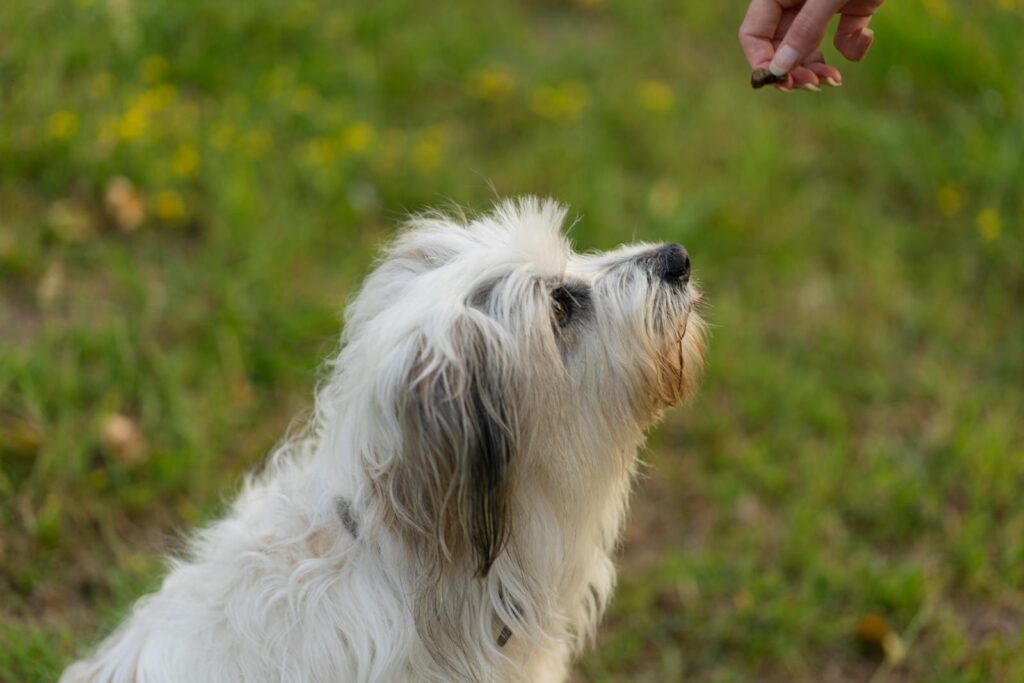
4. Reward Calm Neutrality
Confidence isn’t about excitement—it’s about stability.
We reward:
-
Calm observation
-
Choosing not to react
-
Relaxed body language
-
Following commands in new environments
Neutral dogs are confident dogs.
5. Use the Right Training Tools
When introduced properly, tools like leashes, long lines, or e-collars provide clear communication, not fear.
The goal is clarity—not correction—and tools are only effective when used correctly and humanely.
Confidence Changes Everything
As shy dogs gain confidence, owners often notice:
-
Better leash walking
-
Improved focus
-
Reduced reactivity
-
Willingness to explore
-
More relaxed body language
-
Stronger trust in their handler
Confidence doesn’t turn dogs into social butterflies—but it allows them to navigate the world calmly and safely.
How We Help Nervous Dogs at Off Leash K9 Training Missoula
Our training programs are built around:
-
Individual pacing
-
Structured exposure
-
Clear communication
-
Calm leadership
-
Confidence-building obedience
We don’t rush shy dogs—and we don’t label them. We meet them where they are and build them up step by step.
Ready to Help Your Dog Feel More Confident?
If your dog struggles with fear, nervousness, or uncertainty, there is a path forward—and you don’t have to walk it alone.
Contact us at 406-946-3037 or fill out the form below to schedule a consultation with Off Leash K9 Training Missoula.
Confidence is learned—and we’re here to teach it.