How to Handle Leash Reactivity on Icy Sidewalks: Winter Dog Training Tips for Missoula
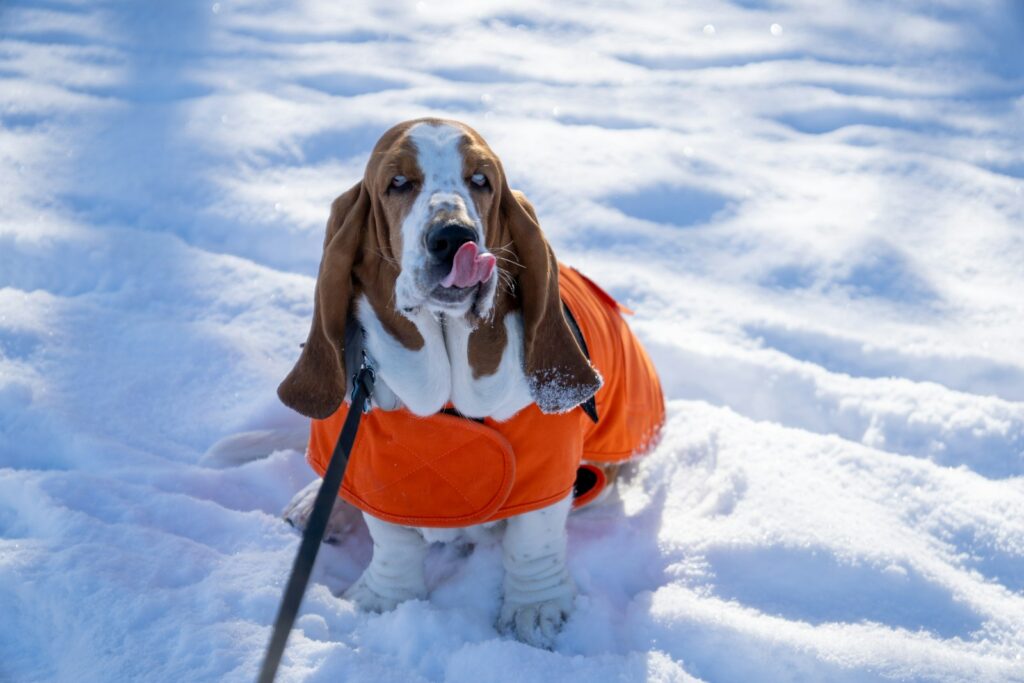
Winter in Missoula transforms our sidewalks into scenic, slippery challenges—and if your dog struggles with leash reactivity, icy conditions can turn daily walks into downright disasters.
At Off Leash K9 Training Missoula, we often get calls from dog owners who say:
“My reactive dog is worse in the winter.”
“She lunges at dogs and I nearly fall on the ice.”
“I’m scared to walk my dog in snow because of pulling.”
You’re not alone—and you’re not stuck. Let’s break down why winter can intensify leash reactivity and how to train through it safely.
❄️ Why Reactivity Gets Worse in Winter
-
Less Exposure: Colder months usually mean fewer walks, fewer chances to practice exposure, and more built-up energy.
-
Shorter Patience: You’re cold. They’re cold. You’re rushing. That sets up an unstable mindset for success.
-
Gear Confusion: Jackets, booties, and leashes over bulky gloves can create awkward body cues or handler inconsistency.
-
Limited Space: Snowbanks and icy trails mean fewer escape routes or room to re-direct your dog when things get tense.
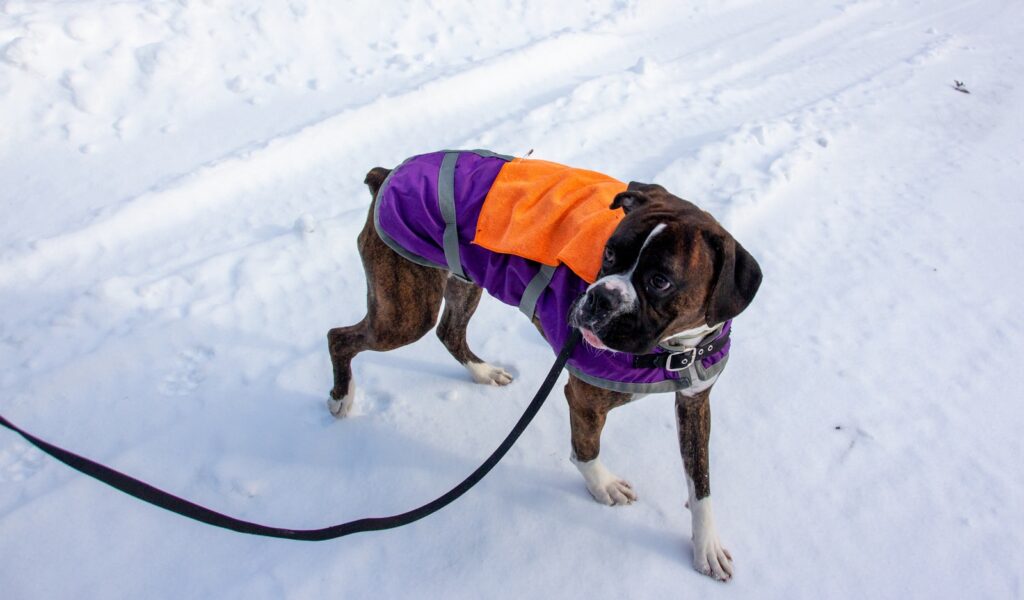
🧊 Tips to Handle Leash Reactivity Safely on Ice
1. Shorten Your Leash, Not Your Temper
Avoid using retractable leashes or letting your dog walk 6+ feet out during icy conditions. Keep your leash:
-
Short and loose, not tight (a tight leash can increase tension)
-
Held lower to your body, not high or yanked up in panic
-
Paired with a secure, properly fitted collar or training tool (e-collar, prong, etc., as recommended)
🟠 A structured heel can prevent surprises and save your balance.

2. Start with Calm
Before the walk:
-
Do a few minutes of “place” or structured obedience inside
-
Use the front door as a training opportunity: threshold manners and calm leash attachment
-
Wait for eye contact before exiting—never rush out the door in a chaotic state
🟠 How you start your walk often sets the tone for the entire outing.
3. Scan Ahead—Winter Edition
It’s harder to see people or dogs approaching when bundled up or navigating plowed snow. Stay proactive:
-
Look ahead for common triggers (dogs, sleds, joggers)
-
Create distance early, using parked cars or snowbanks as visual barriers
-
Reward neutrality—not barking, but also not obsessively staring
🟠 Avoid sudden reactions by managing the environment before your dog does.
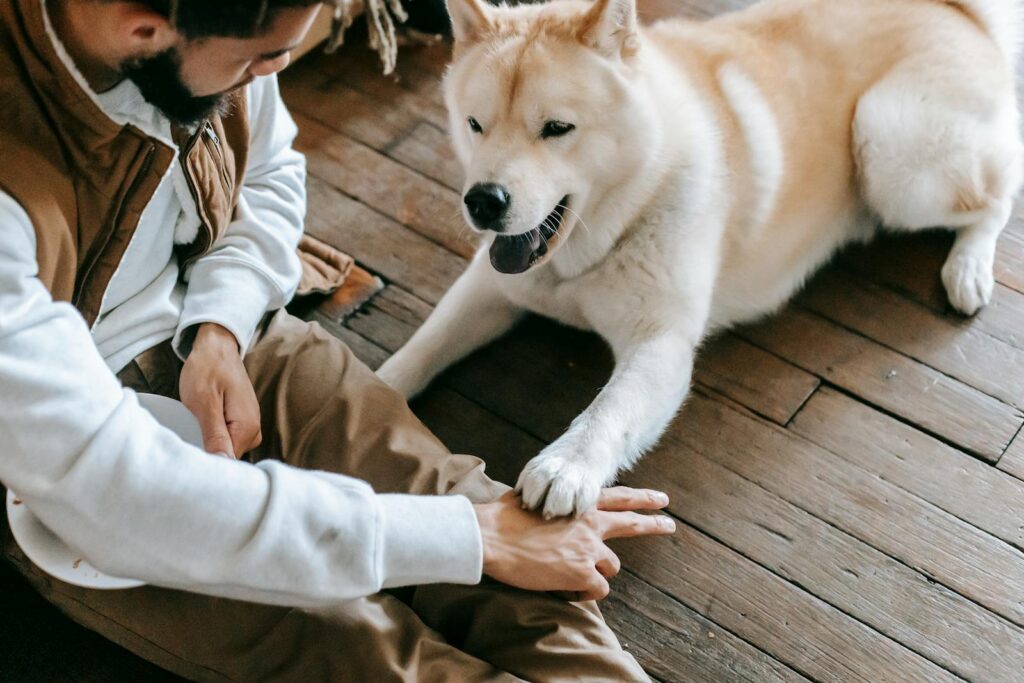
4. Work the Reps Indoors on Snow Days
Can’t train outside due to a storm? No problem.
You can work reactivity and impulse control indoors by:
-
Practicing obedience around windows with passerby distractions
-
Playing structured recall games from room to room
-
Teaching neutrality near family members, other pets, or sounds
🟠 Consistency—even 10 minutes a day—makes all the difference over time.
5. Know When to Call in the Pros
If your reactive dog is dragging you through snow and you’re worried about safety, it’s time to get help.
Our team specializes in:
-
Leash reactivity and fear-based behavior
-
E-collar conditioning for safe off-leash control
-
Public training walks in Missoula
-
Board & train programs that include winter-safe exposure
🐾 Let’s Make Winter Walks Safer and Calmer
Your dog can learn to walk politely—even with distractions, even on snow. Don’t let winter delay progress. With the right structure and support, this season can actually help lay the foundation for a much more confident dog by spring.
📞 Contact us at 406-946-3037 or fill out the form below to book your consultation. We’re here to help you and your dog enjoy the snow—without the slip-ups.