Understanding Your Dog’s Body Language Better

Most dogs don’t bark to communicate their needs—they speak volumes through their body. Learning to read your dog’s body language is one of the most valuable tools you can develop as a dog owner. It builds trust, prevents reactivity, and helps you respond to issues before they escalate.
At Off Leash K9 Training Missoula, we teach clients how to go beyond obedience cues and start understanding what their dog is actually saying—especially in high-distraction environments like trail walks, brewery patios, or family gatherings.
Let’s decode some of the most common (and misunderstood) signals dogs give.

The Basics of Canine Communication
Dogs use a combination of posture, facial expressions, tail position, and movement to convey how they feel. While breed differences and individual personalities play a role, there are universal patterns every owner should watch for.
Here’s how to interpret them:

Common Body Language Signals & What They Mean
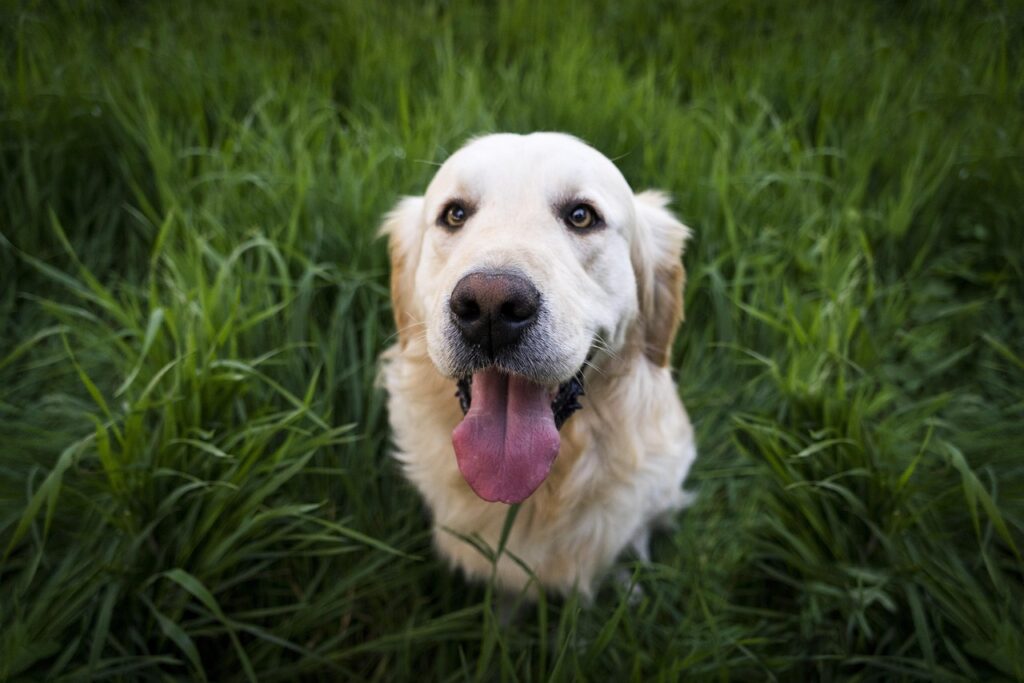
1. Relaxed & Confident
-
Loose body
-
Neutral tail wag or stillness
-
Soft eyes, relaxed mouth
What it means: Your dog is calm, content, and open to engagement.
2. Overstimulated or Playfully Hyped
-
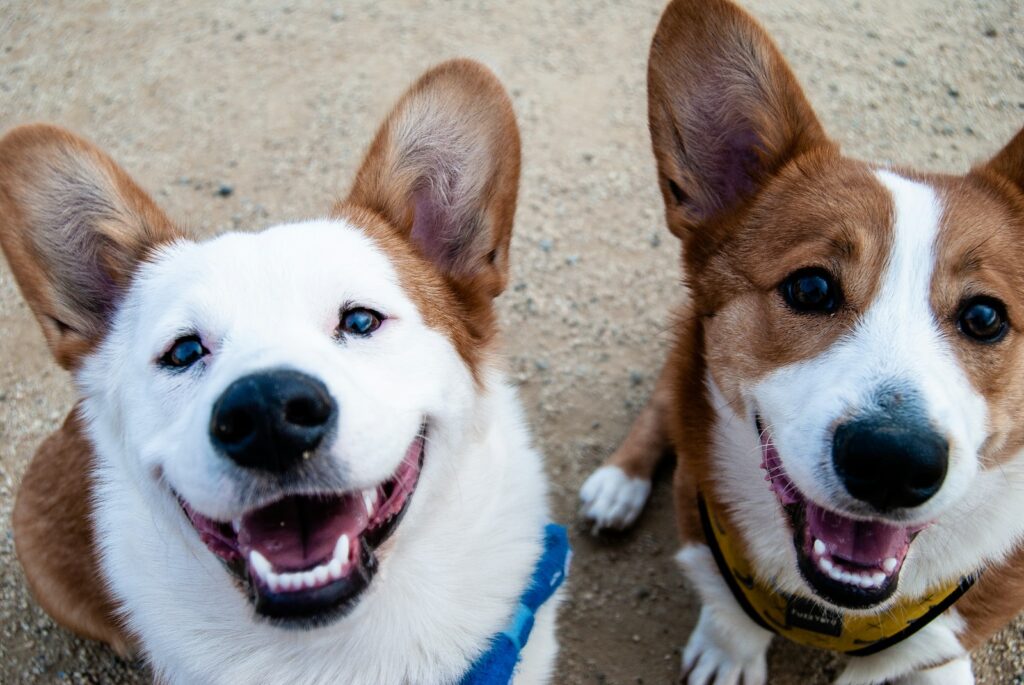
Wide stance, rapid tail wagging
-
Open mouth, panting, play bows
-
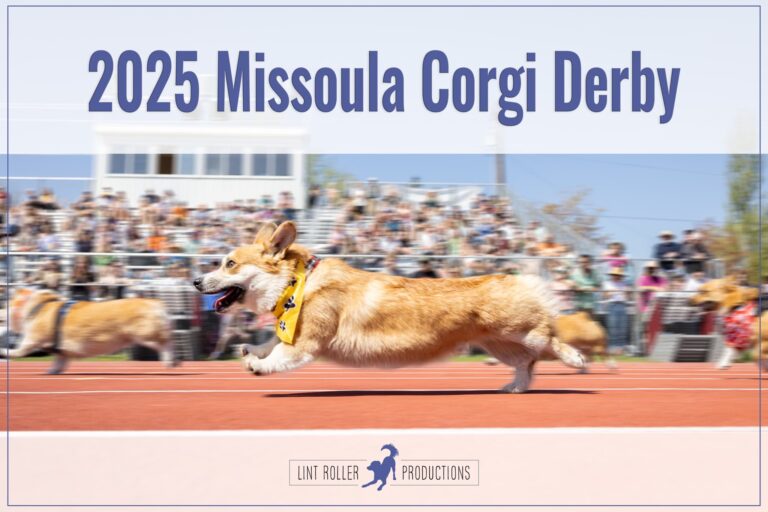
Jumping or zoomies
What it means: Excitement! But this can tip into unfocused or rude behavior if not guided back to calm.

3. Stressed or Unsure
-
Lip licking or yawning (when not tired)
-
Whale eye (showing the whites of the eyes)
-
Tail tucked, ears pinned, body crouched
What it means: Your dog is uncomfortable. Time to pause and reset. Remove pressure, slow down, and give them space.

4. Alert or Guarded
-
Stiff posture
-
Tail held high and still
-
Ears pricked forward, intense eye contact
What it means: Your dog is assessing something—another dog, person, or noise. This is the moment to intervene before arousal tips into barking, lunging, or chasing.

5. Submissive or Appeasing
-
Belly up, head turned away
-
Soft or whiny vocalizations
-
Slow movements or cowering
What it means: Your dog is trying to avoid conflict. This is often mistaken as guilt—but it’s really a plea for peace.
Why It Matters in Training
When you can recognize your dog’s stress signals, you gain real-time feedback on your training sessions.
For example:
-
Is your dog refusing a command because they’re stubborn—or overwhelmed?
-
Are they ignoring recall because they’re distracted—or confused?
Understanding the emotional state behind the behavior helps you adapt:
-
Reduce distractions
-
Use calmer energy
-
Break things down into smaller steps
This level of awareness leads to faster progress and a stronger dog–owner bond.

Signs of Escalating Discomfort
Don’t wait for a bark, growl, or snap. Learn to catch the early whispers before they become shouts.
Warning signs:
-
Stiff body that freezes suddenly
-
Raised hackles (fur on back)
-
Tail straight and vibrating
-
Staring with stillness
In these moments, create space, redirect focus, and shift the environment if possible.
How We Help at Off Leash K9 Missoula
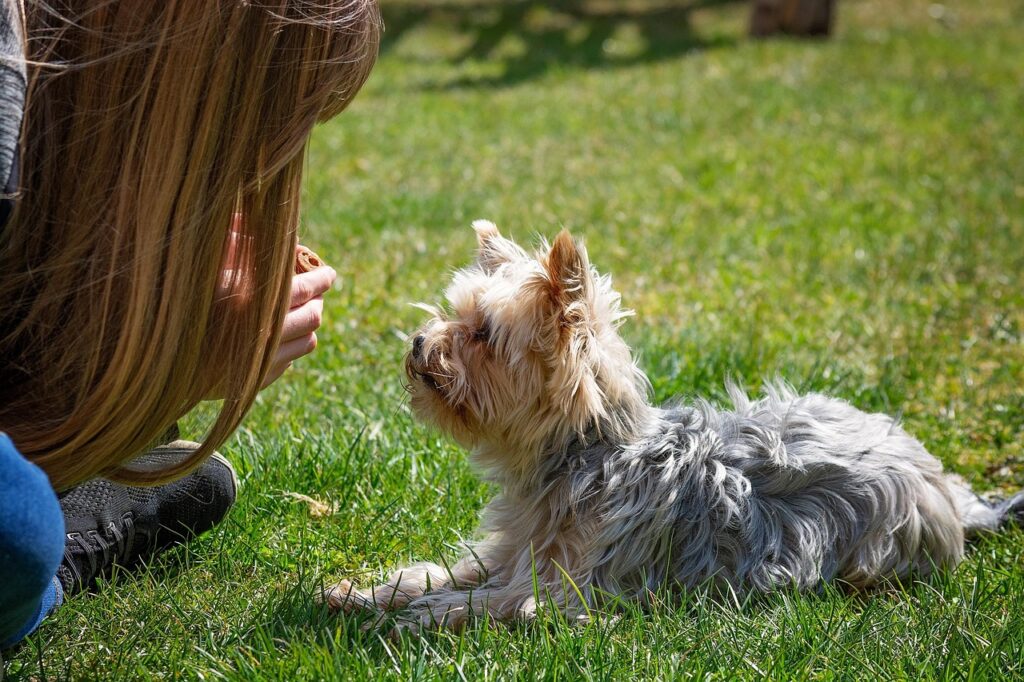
Our training programs are designed not only to teach commands—but to improve communication between dogs and their owners.
Whether your dog is reactive, nervous, or simply misunderstood, we’ll help you:
-
Spot early signals
-
Build calm confidence
-
Learn exactly what your dog is trying to tell you

Ready to Understand Your Dog on a Deeper Level?
If you’re tired of guessing what your dog is feeling, let’s build a training plan that brings clarity, confidence, and calm to your daily routine.
Contact us at 406-946-3037 or fill out the form below to get started with a consultation.