Winter Walks Without the Pulling: Leash Training Tips for Snowy Missoula Streets

Missoula winters are magical—but let’s be honest, walking a dog that pulls like a sled team through icy streets isn’t anyone’s idea of fun.
If your winter walks involve more slipping than strolling, you’re not alone. Many dog owners in Montana struggle to keep their pups focused when snow piles up and cold air makes everyone a little extra squirrely.
The good news? You don’t have to wait until spring to fix leash manners. Here’s how to enjoy safer, calmer winter walks—even if your dog thinks they were born to mush.

Why Dogs Pull More in the Winter
Snow adds distractions and sensory overload. Your dog’s instincts are firing on all cylinders:
-
Scent trails are stronger in the cold
-
Snowbanks create visual obstacles and barriers
-
Excitement builds from pent-up energy
-
Slippery terrain throws off your timing and balance
If your dog is already struggling with leash pulling, the winter environment only amplifies the challenge. But with the right tools and training, you can make real progress this season—not six months from now.

Step 1: Reinforce the “Heel” Command Indoors First
Before battling the elements, work your heel in a controlled, distraction-free environment.
-
Use a hallway, garage, or even your living room
-
Reward for staying beside your left leg with slack in the leash
-
Focus on eye contact, calm starts and stops, and direction changes
-
Add leash pressure to help guide positioning
Once that’s consistent indoors, graduate to your driveway or a quiet street—before trying trails or busy sidewalks.

Step 2: Use the Right Leash Tools for Safety & Control
Icy sidewalks demand better control and communication. We recommend:
-
A 6-foot leash (not retractable!) for better handling
-
Slip leads, prong collars, or e-collars based on your dog’s level and training progress
-
Ice cleats or snow boots—for you! Safety first.
-
Reflective gear and lights for early sunsets
🟠 Pro tip: The right leash and collar combo makes a world of difference. We customize tool recommendations during our free phone consults.

Step 3: Watch for “Snow Zoomies” & Pulling Triggers
Even well-trained dogs can lose their minds in fresh powder. Stay alert for:
-
Scent-heavy zones like fire hydrants or bushes
-
Other dogs bounding off-leash
-
Wildlife tracks in the snow
-
Deep snow that builds arousal or frustration
The key is to stay one step ahead of your dog. Use “let’s go” or “heel” as proactive cues. Don’t wait until they’re lunging—train the behavior before the trigger.

Step 4: Make the Walk Structured, Not a Free-for-All
Winter is not the time for sniffari-style chaos. Keep walks short, clear, and purposeful:
-
Start with a structured heel for the first 5–10 minutes
-
Then give a “break” command for sniffing or potty time
-
End with another round of obedience work (heel, sit, down)
-
Don’t let your dog pull the whole time—they’re learning habits either way
Think of each walk as a training opportunity. If you let pulling slide in the snow, your dog will carry it into spring.
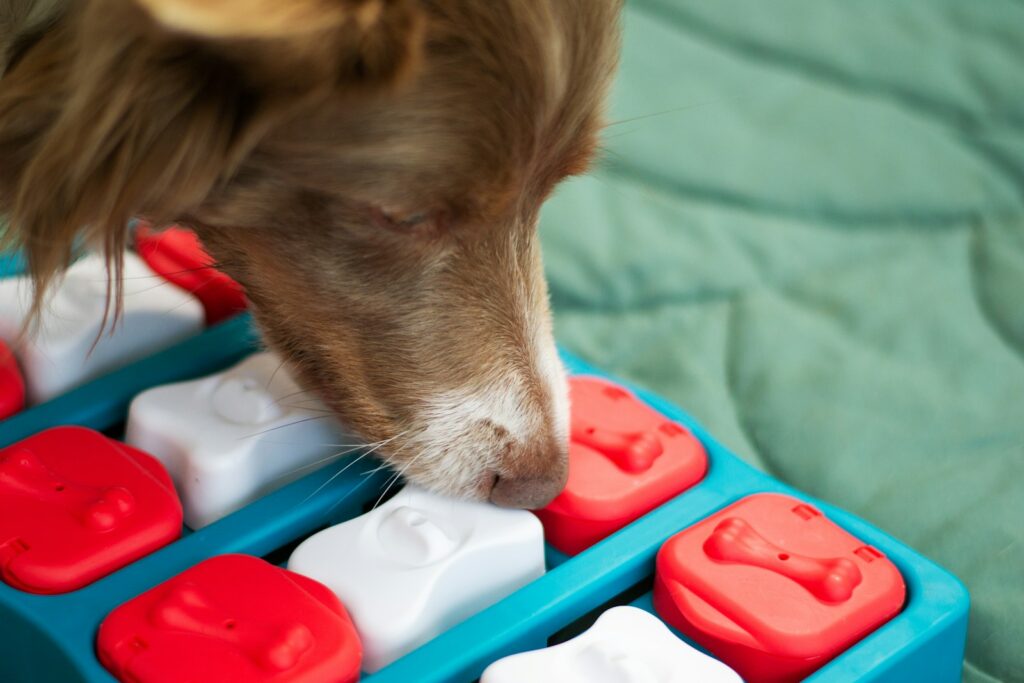
Bonus: Burn Energy Before the Walk
A quick indoor training session or mental enrichment game can take the edge off.
Try:
-
Food puzzles or snuffle mats
-
Obedience reps (sit, down, place, recall)
-
Light fetch in a hallway or yard
🟠 Tired minds make better leash partners.

We Train Winter Dogs All Season Long
At Off Leash K9 Training Missoula, we work year-round with dogs who struggle with leash manners, reactivity, and pulling—especially during winter walks. Whether you need private lessons or a board & train jumpstart, we’ll help you enjoy peaceful, safe strolls again.
📞 Contact us at 406-946-3037 or fill out the form below to set up your free consult today.